Please note that places for the post-conference field excursion are limited. The excursion will be held only if at least 10 participants register, and the number of participants will be limited to a maximum of 40. Registration will be processed on a first-come, first-served basis, and participation will be confirmed accordingly.
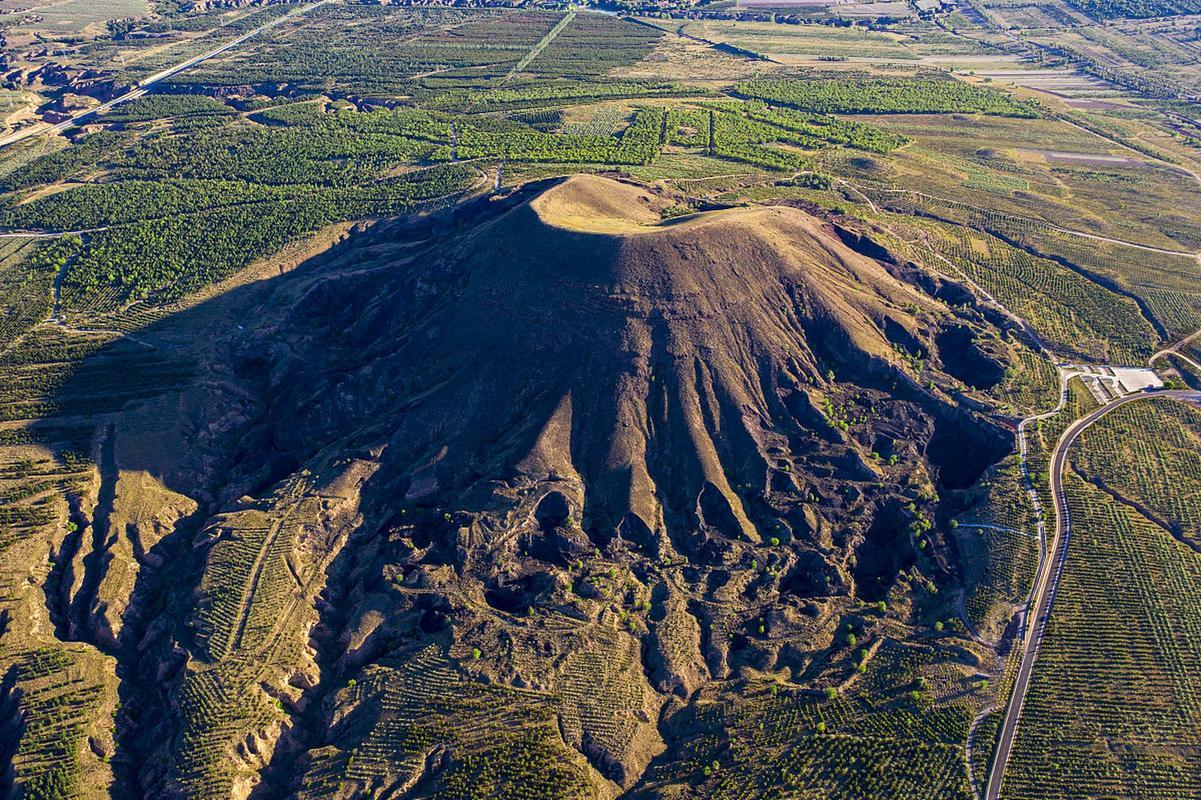
Destination 1: Datong Volcanic Cluster
The Datong Volcanic Cluster was formed by Quaternary magmatic activity within the Datong Volcanic Rift Basin, the Datong Volcanic Cluster showcases a remarkable suite of volcanic landforms. It is the world’s only volcanic cluster developed on the Loess Plateau, the largest and best-preserved intraplate rift-system volcanic cluster in North China, and one of China’s six most renowned volcanic clusters. Notably, the cluster is composed entirely of extinct volcanoes, offering an exceptional natural laboratory for observing and interpreting volcanic geomorphology.
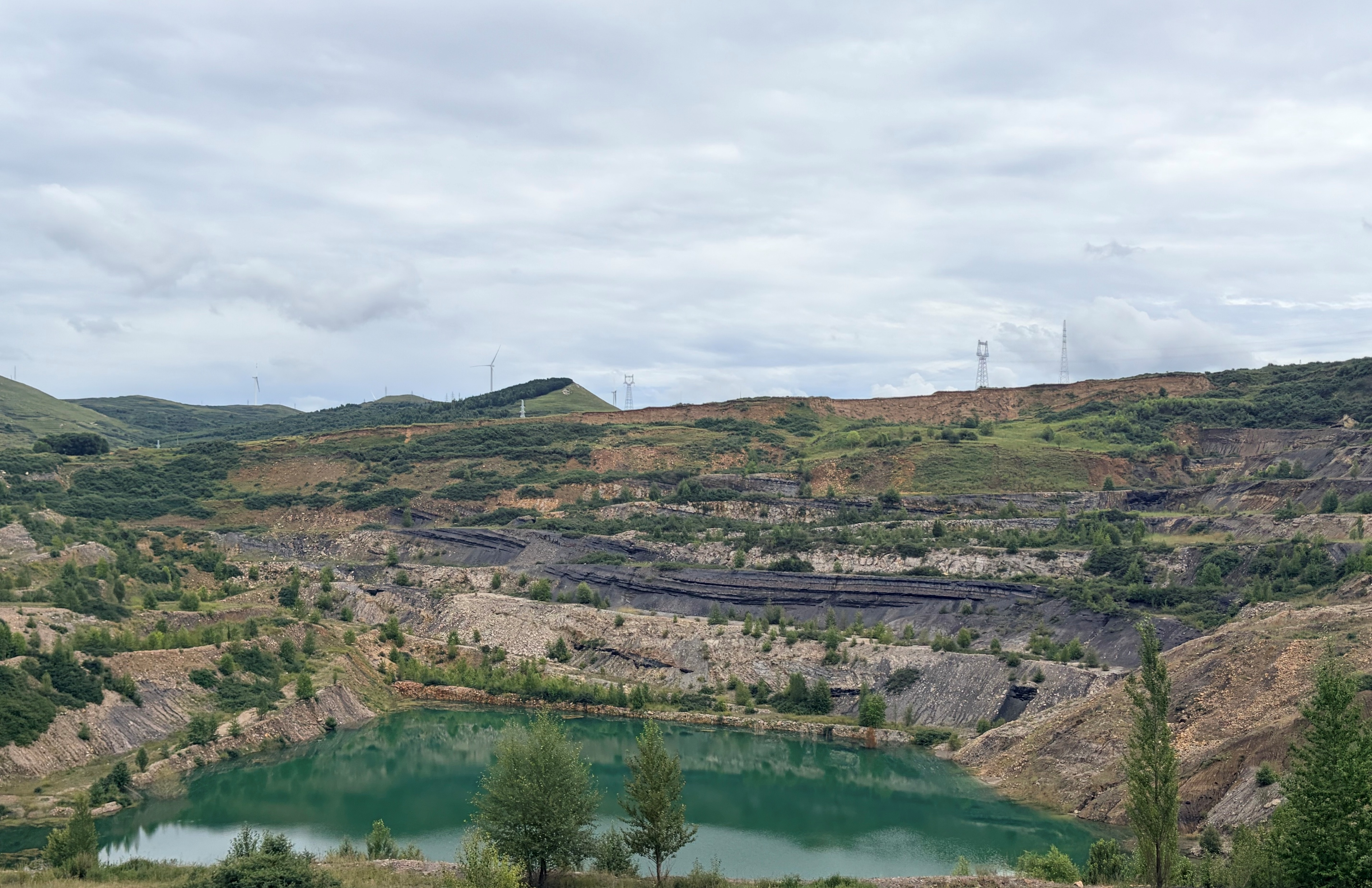
Destination 2:Hunyuan Chuanchang open-pit Mine
Hunyuan Chuanchang open-pit Mine and surrounding Hunyuan mining area provide an excellent example for investigating Carboniferous_Permian coal-bearing strata, structural controls on coal preservation, and the geological evolution of small-scale coal mining regions in the northern North China Craton. The exposure of Benxi, Taiyuan and Shanxi Formations and associated sedimentary rocks offers valuable opportunities for examining coal-bearing sequences, coal seam architecture, and the relationship between tectonic deformation and coal resource distribution.
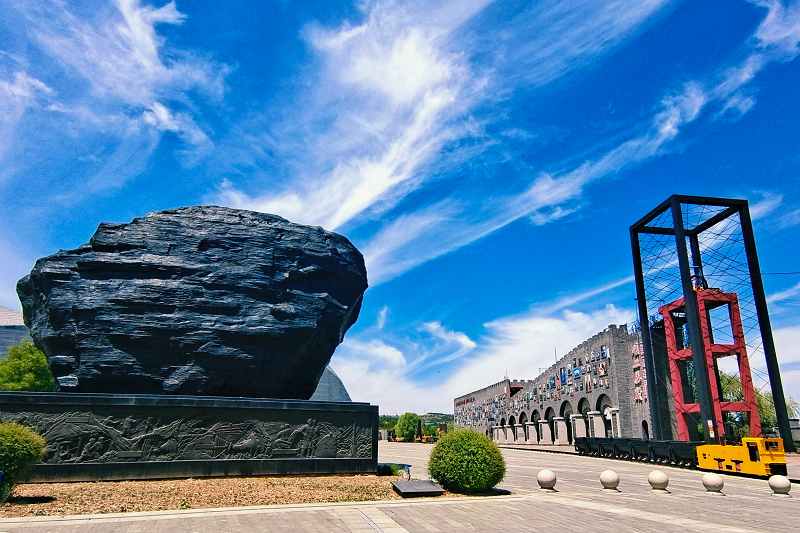
Destination 3: Jinhua Palace Coal Mine
Jinhua Palace Coal Mine is located in the Datong Coalfield, one of the major coal-producing basins in northern China. The mine exploits Carboniferous–Permian coal-bearing strata composed mainly of coal seams interbedded with sandstones, siltstones and mudstones, recording peat accumulation in continental to paralic environments. Participants can access active underground mining levels and working faces, where the geometry of coal seams, roof–floor lithologies and mining platforms can be directly observed. These exposures provide an excellent opportunity to examine the geological controls on coal seam continuity, thickness variation and stability under real mining conditions.
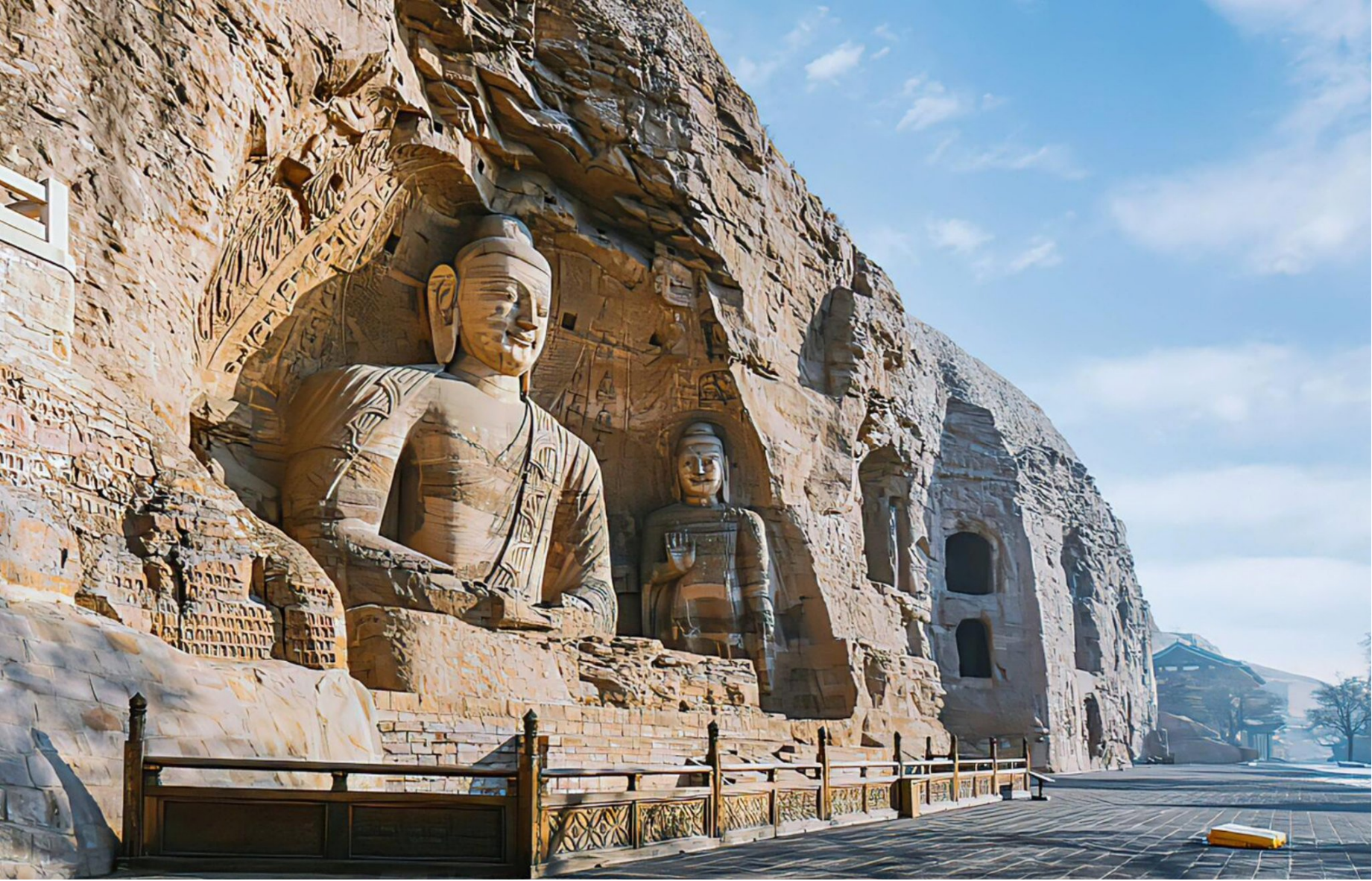
Destination 4: Yungang Grottoes
Yungang Grottoes are carved into Middle Jurassic sandstones along the southern margin of the Datong Basin in northern Shanxi Province. The host rocks are predominantly well-bedded, medium- to coarse-grained sandstones, whose mechanical strength and relatively uniform lithology provided favourable conditions for large-scale excavation. The regional tectonic setting, characterised by basin development and gentle structural deformation, ensured long-term stability of the rock mass. In addition, the semi-arid continental climate has limited chemical weathering, contributing to the preservation of the grottoes over more than 1,500 years. The Yungang Grottoes thus represent a remarkable example of the interaction between geological conditions and cultural heritage development.